

What You Need to Know About Reaching Your Fitness Goals – Part 1
Nova Health Club • June 6, 2018
Why is My Exercise Program not Delivering ‘Results’?
When it comes to getting fit, losing weight or achieving some other physical performance goal, chances are that you are like most people – wanting the same intrinsic or physical attributes of an athlete. After all, athletes have great physiques, their bodies move and perform very well and they most likely live vibrant energetic lives from their dedicated training, nutrition and lifestyle plans. Or perhaps you were once an athlete and you vividly remember how good you felt or looked and now you want to achieve that once again. The reality is that athletes are healthy and in great shape so who wouldn’t want to look and feel like one?
So you make the decision to take action on getting fit and losing weight!
First of all; Congratulations! The decision making process precedes all else that follows. Then, like most people you take the next step with an exercise program, geared towards fat loss and becoming more fit, that you found in a magazine, downloaded from a fitness guru or through a personal trainer who creates a slightly better version of those same free programs found in media. You are convinced that doing this new program 2 – 3x’s a week is going to bring the results you are looking for.
The above plan is good but the truth is that this plan of action does not work for everyone and many people following this plan will not get the results they signed up for. Why then do some get the desired results while others do not even after working out hard on this ‘scientifically’ sound program, and after having investing the same effort, time and money?
Here lies the secret that you will neither see nor hear in popular media…
First of all there is no secret, what you are about to read is not new or cutting edge! Rather it is based on the fundamentals of healthy living that most of us know yet fail to live by. We fail to respect this truth because our society constantly looks for quick fix solutions like the new ‘perfect’ workout program, new fat loss diet and or new magic pill. Those that struggle to reach their goals, even after having started the right exercise program have neglected essential health prerequisites that are not new or cool enough to be popularized in media. While the workout program was a good first step, it was just a fraction of the entire picture of what it takes to reach your goals.
All that hard work, time and money you invested however mustn’t be dismissed. Don’t be discouraged because it was an essential step towards your goal and sometimes the best first one move for you to make. The other positive news is that you likely feel better, are stronger and more confident towards taking further steps... But simply starting an exercise program 3, 4 or 5 hours a week just won’t cut it if you fail to be healthy during the other 160+ hours a week you are alive. Now let’s get back to what it is you failed to consider outside of just working out - those fundamentals to healthy living that you must appreciate, take action toward in order to reach your goal of looking, feeling or performing like the healthiest and most athletic people out there.
High performing, lean and athletic bodies are built on healthy foundations.
The above exercise program we began with was good in theory. It assumed that all other parts of your life were in good working order thereby allowing you to get results from that program. But reaching your health and fitness goals sometimes is just not as simple as working out 3x a week because the average person does not have the rest of their life built on healthy pillars. Do not expect much positive change from even the best workout program if implemented on top of poor lifestyle foundations like minimal rest, high stress, low quality food and little to no movement. Not only should you not expect big results, it is important to note that this type of lifestyle is not conducive to and sometimes incapable of handling the workouts, part of the exercise programs designed by the best fitness professionals out there. By doing these workouts based on a weak foundation of healthy living, you may contribute to the problem even further. That is why a hard workout sometimes is not necessarily a good workout. A good workout is the right workout for you based on your needs, wants and abilities. Read the last part again – based on your NEEDS, wants and ABILITIES!
Up to this point you have only focused on what you wanted and have not considered what you need or what you are even able to do based on your age, lifestyle habits, current or past health/injury history. No wonder most people have not reached their goals with only training hard! Sorry but just starting a high intensity workout class at the new group studio without addressing the rest of your lifestyle was at best a momentum starter that hopefully made your muscles and cardiovascular system stronger than it was before.
Now that you have accepted the lack of results, be proud of yourself for taking your first step of exercising more and let’s now go back to the other basic healthy fundamentals that must be addressed so you can get results you want from those workout. The next steps you must take are in the hours you live outside of your workouts and thus where your next challenges and focus should lie. While, anyone can start working out 3-5x’s a week, it takes a lot more to change nutrition, stress, sleep and mindset. We often look for the new program or the new diet for answers but there will never be anything new that ever beats hard work and healthy living. If you want results and positive change in your life know there is no magic program or magic pill for success. It is sometimes a lifelong journey with hard work to change the very habits that got you into your unhealthy lifestyle, wanting change in the first place. Embrace this because there is nothing in the world worth having that does not take some effort and dedication.
In Part 2 of this series we will explore those areas we often fail to address in pursuit of their goals – To train like an athlete you must recover like an athlete.

Default vs Future Thinking Here is a question we should all be asking ourselves more: "What would the future version of you be doing right now?" Not the current version who is tired, busy or overwhelmed. The future you who is leaner, stronger, more energized and showing up powerful in every area of life... The version of you that has the results you want. The Future Self Thinks Differently And they got there by making different choices than the easy ones our current self so often subscribes to. Your future self doesn't cancel a workout because sleep wasn't perfect. They don't skip exercise because they are tired or because something came up at work, a last minute social invitation appeared or there's a haircut to fit in And if something does get in the way, they reschedule to earlier, later or the next day. They don't put health at the bottom of the list and wait for the schedule to calm down. Because they figured out something most people never do - things never calm down. Life doesn't get less busy. It just finds new ways to fill every gap you leave open. Your future self made a decision at some point. They started prioritizing their health the same way they prioritize family and work. Not above everything else. Right next to the things that matter most. That one decision is what separates the people who get results from the people who stay stuck in the same cycle year after year. The Two Versions of You Here is the thing most people miss. There are always two versions of you competing in the decision making process. The current default version that is tired, reactive and looking for the easy way out. And the future version that is already living the life you want and making choices that reflect that. Every single day you are casting votes for one of those two versions. Every time you show up when it is hard you are not just getting a workout in. You are becoming your future self. Every time you cancel/skip/defer you are voting to stay exactly where you are. The identity shift doesn't happen when you reach your goal. It happens in the small decisions you make when nobody is watching and things are hard. The Question That Cuts Through Every Excuse Stop asking yourself how you feel about your workout today. Start asking yourself what the person you want to become would do today. That question cuts through every excuse because the answer is always the same. - they show up. Next time you are faced with a decision that interferes with your workout, take a moment and ask yourself two things. What does my default mode want me to do? And what would my future self do? The gap between those two answers is exactly where your results live. The Shift Starts With One Decision You don't need a perfect plan. You don't need the right time or the right conditions. You just need to start making decisions that your future self would be proud of. One session at a time. One choice at a time. That is how the identity shift happens. That is how the results follow. And if you want support making that shift - a coach and a team who hold you to the standard of your future self, not your current default - is exactly what we are here to do.

Why Your Brain Talks You Out Of The Gym Every Time There are days when my energy is low. I didn’t sleep well the night before and I'm deep in work, the timeline is tight and everything is pulling at me at once. In those moments the last thing I want to do is work out. I'm tired. I'm stressed. I'm scattered. Not feeling it at all. And my brain does what every human brain does in that moment - it looks for the easy way out. The easy way out is always the same - skip the workout. I tell myself I'll make up for it tomorrow or next week… Or when things calm down. But tomorrow and next week are never any different. I've been training consistently for 30 years and I still feel this at least once a week and I've learned to recognize what's actually happening in that moment so that I don’t self sabotage. The Two Voices We all have these moments and when it happens there are two voices in your head. The first voice is loud, justified and incredibly convincing. It tells you that you're too tired. That you deserve a break. That you've been working so hard and one missed workout won't matter. That you'll go tomorrow for sure. This is your default voice - the one wired for the path of least resistance. It has kept humans safe and comfortable for thousands of years but it is working against you big time! The second voice is quieter. Easier to ignore. It doesn't shout. It just says - go anyway. That voice is your future self. The version of you that is leaner, stronger, more energized and more capable. And the future version of you didn't get there by listening to the loud default voice. The future self got there by learning to hear the quiet one. Here's what most people don't realize. Every time you listen to the default voice you make it louder. Every time you listen to the quiet one you make it stronger. The workout you skip today isn't just a missed session. It's a vote for the version of you that stays stuck. Your Default Operating System We all have a default mode - a way of thinking and behaving that kicks in automatically when things get hard. If your health is not where you want it to be, your default operating system is a big part of the reason. It generates a thousand reasons why not to continue when things get challenging. Too tired. Too busy. Too stressed. Not the right time. After the holidays. When things calm down. Sound familiar? The default voice doesn't just keep you from working out. It keeps you exactly where you are - year after year - wondering why nothing ever changes. Most people don't fail because they are lazy. They fail because they never trained the most important muscle they have - their mind. Thoughts create feelings. Feelings create actions. Actions create results. Change the thought and you change everything. The Agreement I Made With Myself On the days I don't want to train I make a simple agreement with myself: if I go, I am permitted to put in less effort. That's it. I tell myself it is okay to go have a crappy workout. In doing that the pressure of having to perform at my best disappears completely. So I go with zero expectation and the mindset that anything is better than nothing. And almost every single time, after the warm-up, I'm in the groove. What felt like a terrible idea 20 minutes earlier ends up being exactly what I needed. The hardest part is always putting on my shoes and walking out the door. That's it. The shoes on is the whole battle. Hilarious isn't it? Newton had a law for this. A body at rest stays at rest. The inertia that keeps you on the couch, at your desk or stuck in your head is real. But a body in motion stays in motion too. The moment you take that first step the rest takes care of itself. The Days You Want To Skip Are The Most Important Here's a reframe that changed everything for me. The days and weeks that feel the most scattered and stressful are actually the most important times to show up. Not despite the stress - because of it. Exercise is one of the most powerful stress regulators your body has access to. The workout you want to cancel the most is almost always the one you need the most. So the next time your brain starts telling you to take a session off, recognize what's happening. That's the loud voice. The default voice. The one keeping you small. Your future self is the quiet voice on the other shoulder saying go anyway. Every time you listen to that quiet voice you are casting a vote for the person you are becoming. Show up tired. Show up stressed. Show up scattered. Just show up. A bad workout is always better than no workout. Always!!! You Don't Have To Figure This Out Alone One of the biggest reasons people keep listening to the loud default voice is because there is no one holding them accountable. When the only person expecting you to show up is yourself, the loud voice almost always wins. That's not a character flaw. That's just human nature. Having a coach and a team expecting you to walk through that door changes everything. It shifts the workout from a promise you made to yourself - which is easy to break - to a commitment you made to someone else. If you're ready to stop letting the loud voice win, let's talk. Book your free consultation by clicking the button below.
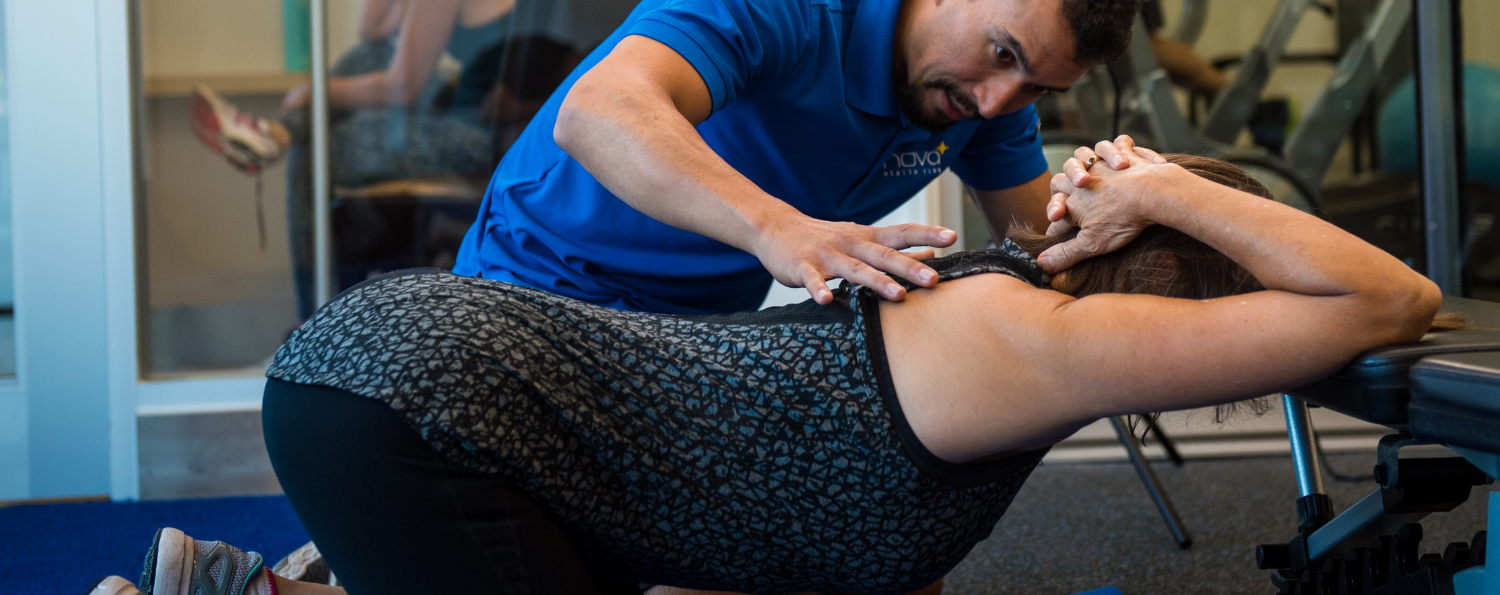
Injured? Here's Why You Should Keep Training Injuries happen to all of us at some point. Maybe it happens during a workout. Maybe it's moving a heavy piece of furniture at home. Maybe it's just waking up one morning and something doesn't feel right. Whatever the cause, the moment something hurts most people do the same thing - they stop. Rest. Recover. Wait until they feel better. I understand why it feels like the safe and logical thing to do. But after 25 years of coaching I can tell you that stopping completely is almost never the right answer. The Doctor's Advice - And Why It's Incomplete When something hurts, most doctors will tell you to rest and stop working out. I get why they say it - they don't want you making things worse and they are being cautious. But here is what most doctors don't factor in: there is a difference between resting an injured area and stopping all movement entirely. Your doctor is not trained in how to work around injuries during exercise. That is a completely different skill set - one that coaches who have studied kinesiology, anatomy and biomechanics spend years developing. Knowing how the body responds to training under stress or injury is exactly what we do. And the answer is almost never to stop moving completely. The Choice Most People Don't Realize They're Making When you get injured you actually have two options. Most people only see one. Option A is to protect the injured area and keep the rest of your body strong. Option B is to protect the injured area and let the rest of your body get weaker at the same time. When you look at it that way the answer is obvious. And yet most people still choose Option B without even realizing it. I learned this firsthand years ago when I dislocated my shoulder. For about six months I couldn't do any serious upper body training at all. So I kept showing up with the exact same consistency and focused entirely on legs. My legs became super strong during that period. Meanwhile someone who stops going completely doesn't just lose upper body strength - they lose strength everywhere. The injury heals either way. But only one person comes back stronger. Be Solution Oriented - Not Problem Oriented Two people with the exact same injury can have two completely different outcomes based on mindset alone. The solution oriented person works around the injury and keeps moving in a modified way. The person with a limiting mindset stops everything, fixates on the problem and waits. The only bad workout is the one that didn't happen. That is not just a motivational line - it is the difference between people who get results and people who don't. Think Like an Athlete Have you ever heard of a professional athlete cancelling all of their training because of an injury? Never. When a professional athlete gets injured their training becomes modified - not cancelled. They focus on three things: rest, rehabilitation and maintenance. By continuing to train the right way they recover faster and come back stronger. You don't have to be a professional athlete to think this way. This is just how the body works - for everyone. 3 Parts to Fixing Injuries 1) Rest Strategic rest - not complete rest. Avoid the activities that aggravate the injury but keep everything else moving. If you tore a hamstring from sprinting, stop sprinting - but don't stop training entirely. 2) Rehabilitation Specific exercises that promote blood flow and healing to the injured area. A torn hamstring still needs gentle activation to heal faster - not complete shutdown. This is where having a qualified coach makes all the difference. 3) Maintenance While the injured area is healing, the rest of your body still needs attention. There is no reason to lose the strength and fitness you have worked hard to build just because one area is compromised. Common Injuries and What You Can Still Do Shoulder or arm injury? Focus on legs, core and rehabilitation work for the injured area. Back injury? Deep core work, supported upper body exercises and mobility - there is more available than most people think. Knee or leg injury? Upper body work, hip hinging movements and rehabilitation exercises that don't load the joint directly. Twisted ankle? Upper body, core and stretching. More options than you'd expect. The only time to completely stop training is if you are fully incapacitated. For almost every other injury there is a path forward. You Don't Have to Figure This Out Alone Knowing how to modify training around an injury takes experience and knowledge. If you are injured right now and not sure what you can or can't do - that is exactly the kind of problem we solve every day. You don't have to wait until you feel 100% to reach out. In fact the sooner you do the better your outcome will be.

Since joining Nova, Nicole has put in real effort and brought a lot of positive energy to our community. At 55, stepping into weightlifting to keep up with her kids was a brand-new challenge, and she’s tackled it head-on.

Tanya’s journey is a wonderful reminder that fitness isn’t about chasing quick results, it's about building a life you genuinely enjoy.

Think your peak fitness years are behind you once you hit your 50s? Think again.
Meet Kris, a Nova member who recently compared his current fitness stats
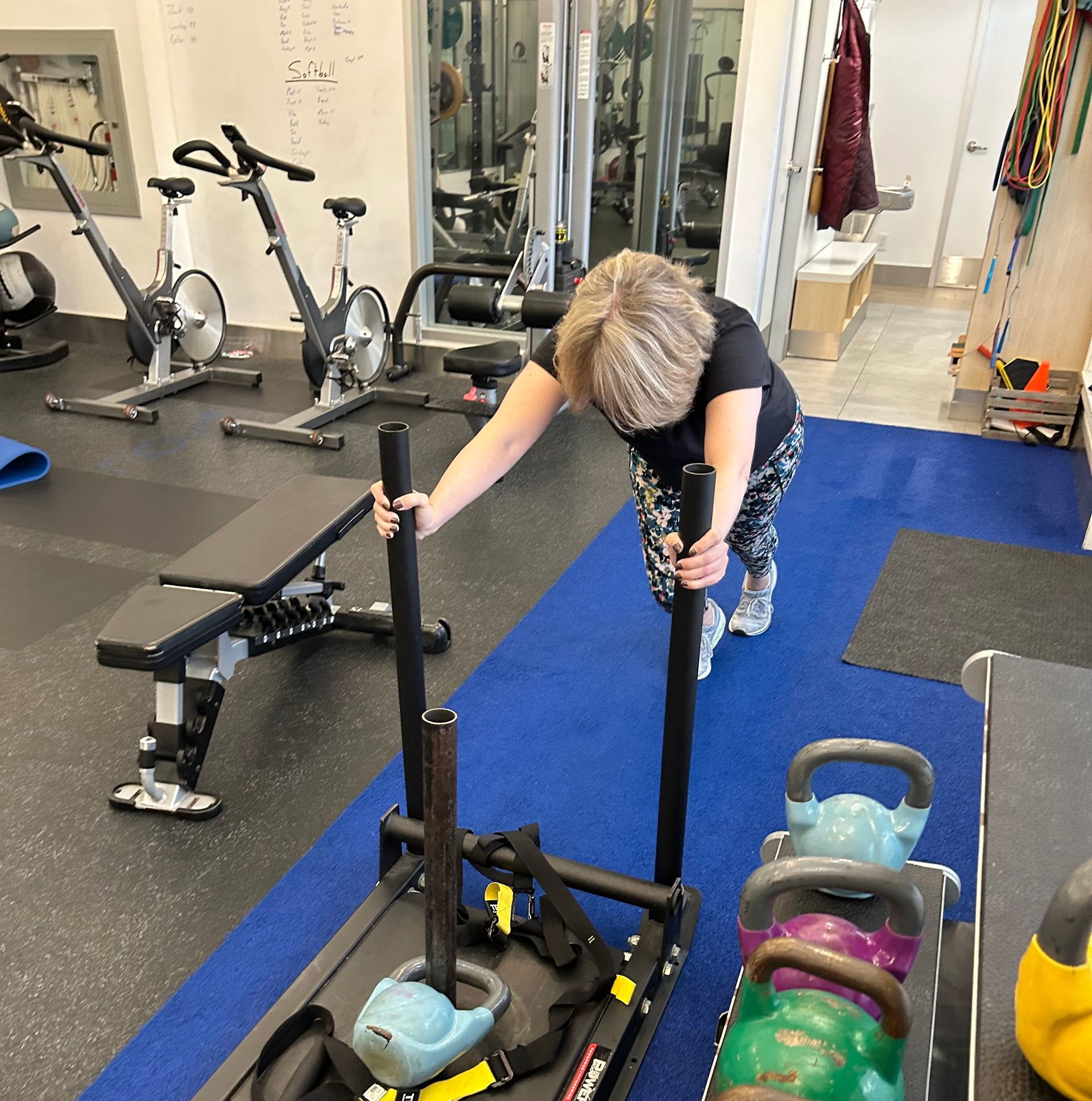
A consistent member for years, Rosalind shows up twice a week and makes her health a priority next to work and family.
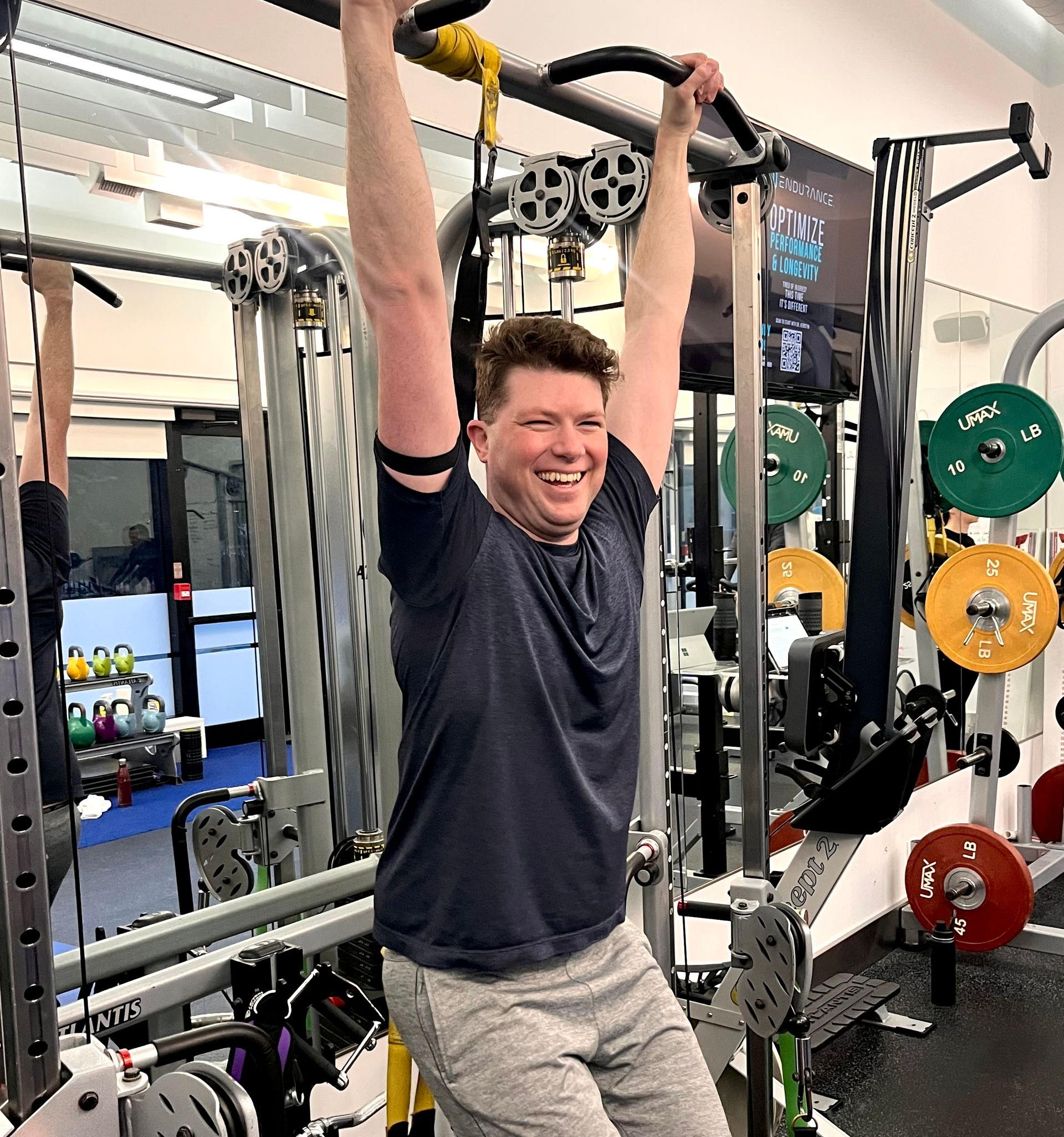
Matt proves that when you add commitment to a structured plan, success is inevitable.

Joy joined Nova with the goal to rebuild strength and push herself physically again. Over the past few months, she has proved her commitment to this goal despite a very demanding schedule.