
Improving Immunity Part 2 - Diet
Tanner Mackenzie • May 2, 2021
Food's Role in Immune Health
In the first installment of Improving Immunity, we talked about some of the ways sleep impacts your ability to be resilient against, and recover from, disease. Let’s turn our attention to another pillar of health: diet. Most of us know that there are ways to eat that keep our hearts and brains healthy, and reduce our risk for conditions like cancer and diabetes. Today, we look specifically at food’s role in our immune function. Are there specific foods that boost immunity? How does our diet impact our immune-related physiology? These are a few of the questions we will try to answer in Part 2 of Improving Immunity.
Vitamin C
There are specific foods, even food groups, that have a positive effect on our immune systems. If I asked you to name one, most of us would give the same answer: oranges (or citrus fruit). The vitamin C found in citrus fruits does in fact
boost immunity, and is not stored in our bodies. This means we need to take in foods rich in vitamin C on a regular basis. Speaking of vitamin C, red bell peppers have triple the vitamin C of a typical orange, so don’t forget them either! In some studies, Vitamin C has been shown to reduce the
duration and severity of colds.
Antioxidants
While vitamin C gets a lot of attention, antioxidants as a whole are very important for immunity. Vitamins C, E and A (converted from beta-carotene) can preserve your immune system’s
response to certain environmental hazards such as UV light, tobacco smoke and air pollution. With that being said, your best bet is not supplementation, but rather a diet rich in naturally-occurring antioxidants. Broccoli and spinach are both phenomenal
sources of antioxidants including vitamins A, C, E, lutein and sulforaphane. In addition to their antioxidant properties, cruciferous vegetables contain other compounds that specifically activate your
immune response, and boost the gut’s local immunity and defense. Another note: eating your veggies either raw or steamed preserves their nutritional content.
Hot Hits the Spot!
Another great source of antioxidants that is not food, but a hot beverage, is tea! Green and black teas are both sources of flavonoids. One flavonoid that has been studied in-depth for its role in health is
EGCG. Green tea is much higher in EGCG than black tea, because it is not allowed to oxidize during its preparation (they are from the same plant). However, black tea is high in theaflavins, another well-studied flavonoid with health benefits. Both teas are beneficial, so just choose whichever you prefer (people who like an extra hit of caffeine might opt for black).
Immune Continuity
As a final consideration when talking about food and immunity, let’s consider the idea of immune continuity. Some people have no problem helping others, but leave themselves last in line for self-care or consideration. However, there is evidence that our diet (high or low quality) is encoded into our DNA and gut, and passed onto our children. The next time you prepare a healthy meal for your family, gather some peace of mind knowing you are not only feeding yourself but many generations of children to come.
Stay tuned for Part 3 of Improving Immunity: Exercise!

Since joining Nova, Nicole has put in real effort and brought a lot of positive energy to our community. At 55, stepping into weightlifting to keep up with her kids was a brand-new challenge, and she’s tackled it head-on.

Tanya’s journey is a wonderful reminder that fitness isn’t about chasing quick results, it's about building a life you genuinely enjoy.

Think your peak fitness years are behind you once you hit your 50s? Think again.
Meet Kris, a Nova member who recently compared his current fitness stats
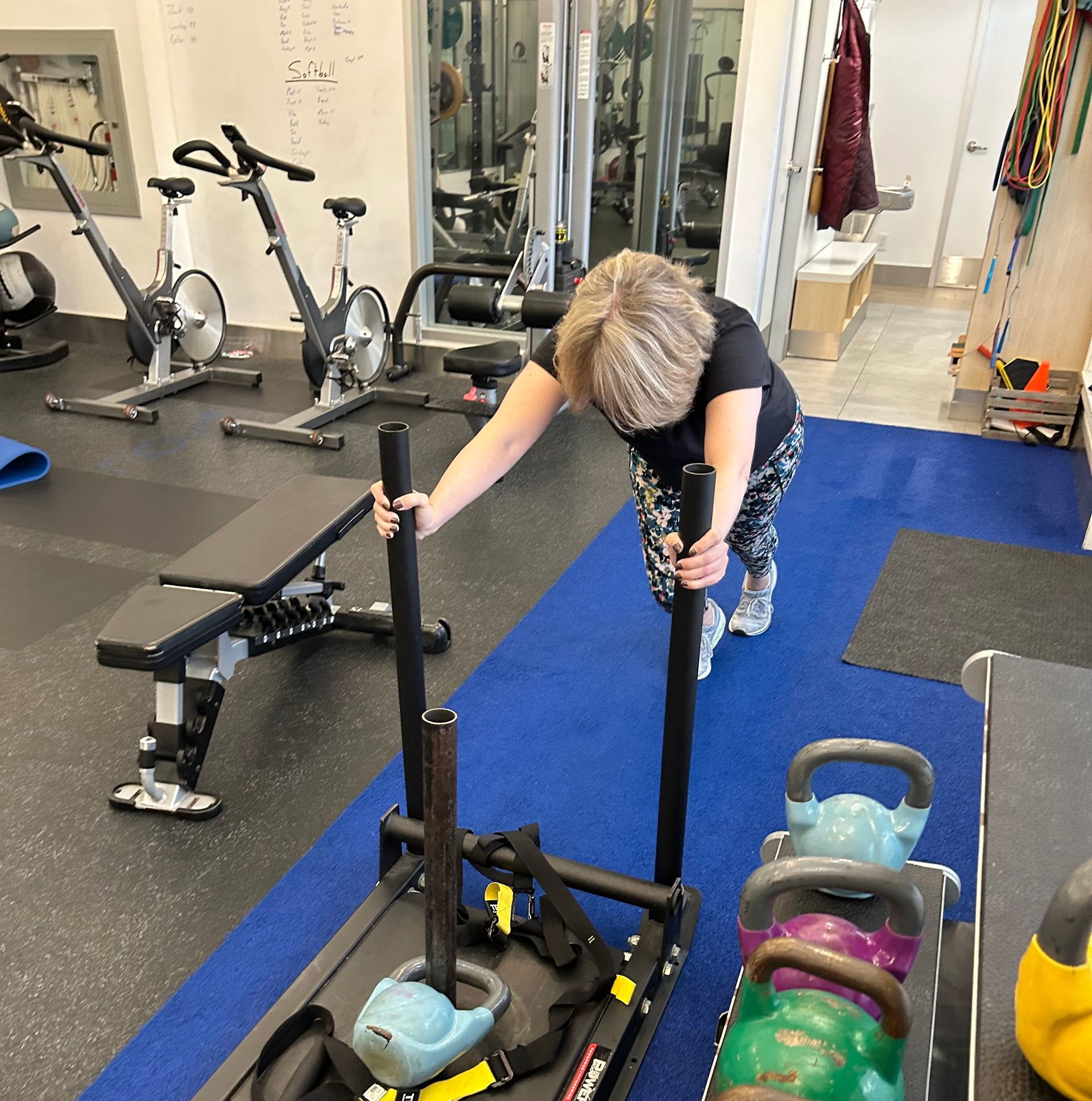
A consistent member for years, Rosalind shows up twice a week and makes her health a priority next to work and family.
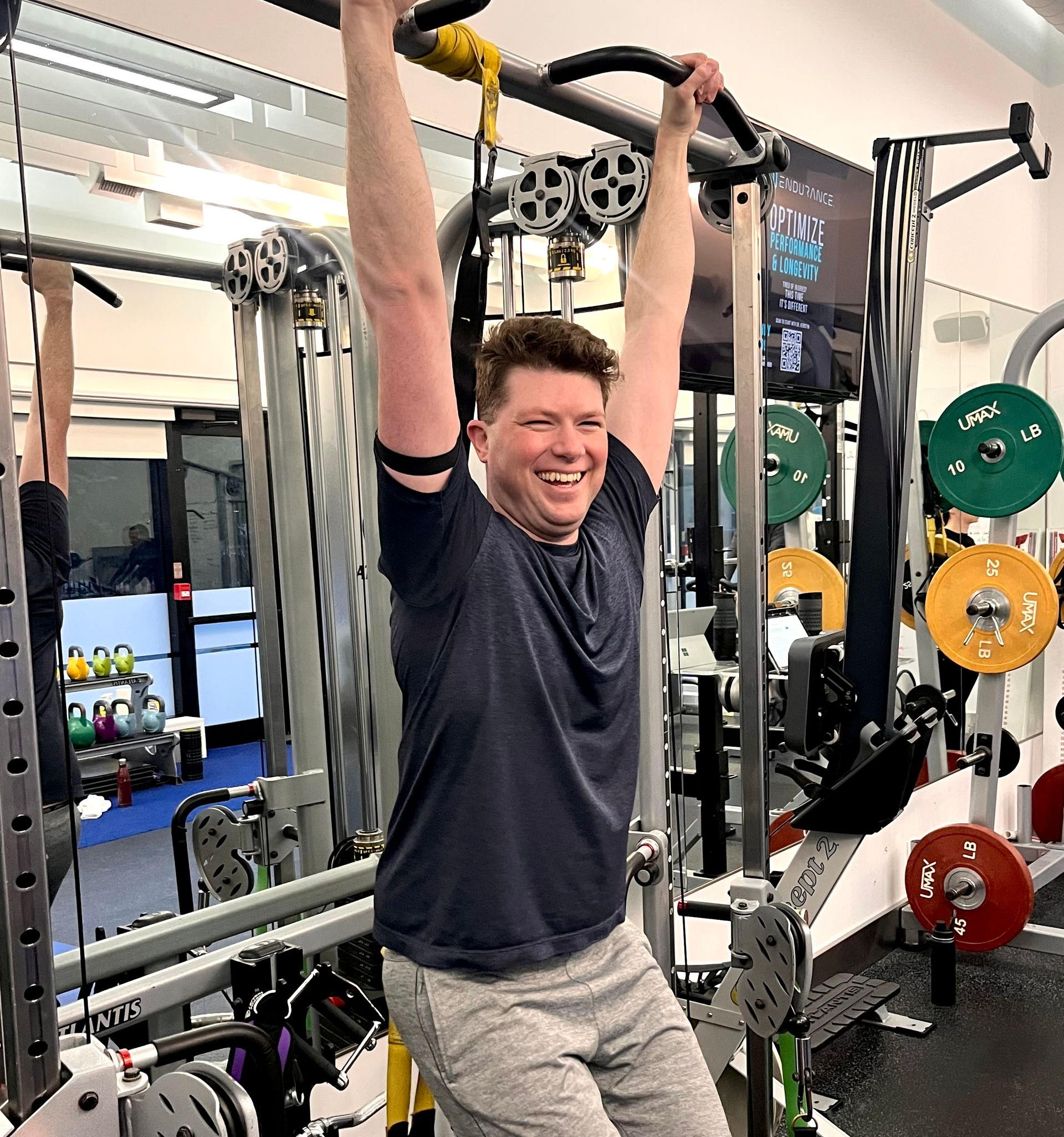
Matt proves that when you add commitment to a structured plan, success is inevitable.
Joy joined Nova with the goal to rebuild strength and push herself physically again. Over the past few months, she has proved her commitment to this goal despite a very demanding schedule.
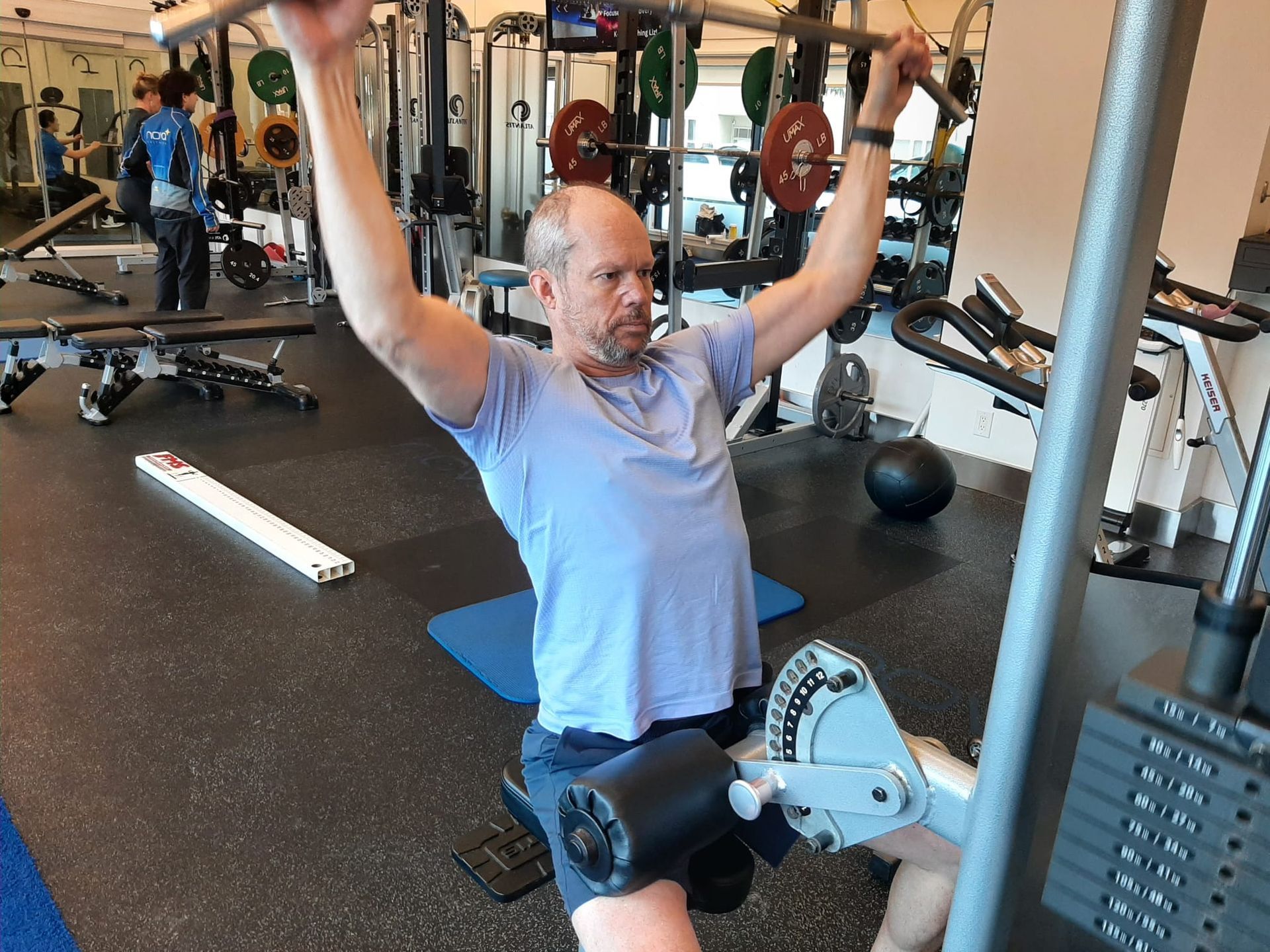
See how Joe transformed his body, mindset and consistency to take his results the next level!

In this interview, Beth shares how she stayed motivated, how her mindset and nutrition changes contributed to her results, and how she plans to keep the momentum going into 2026.
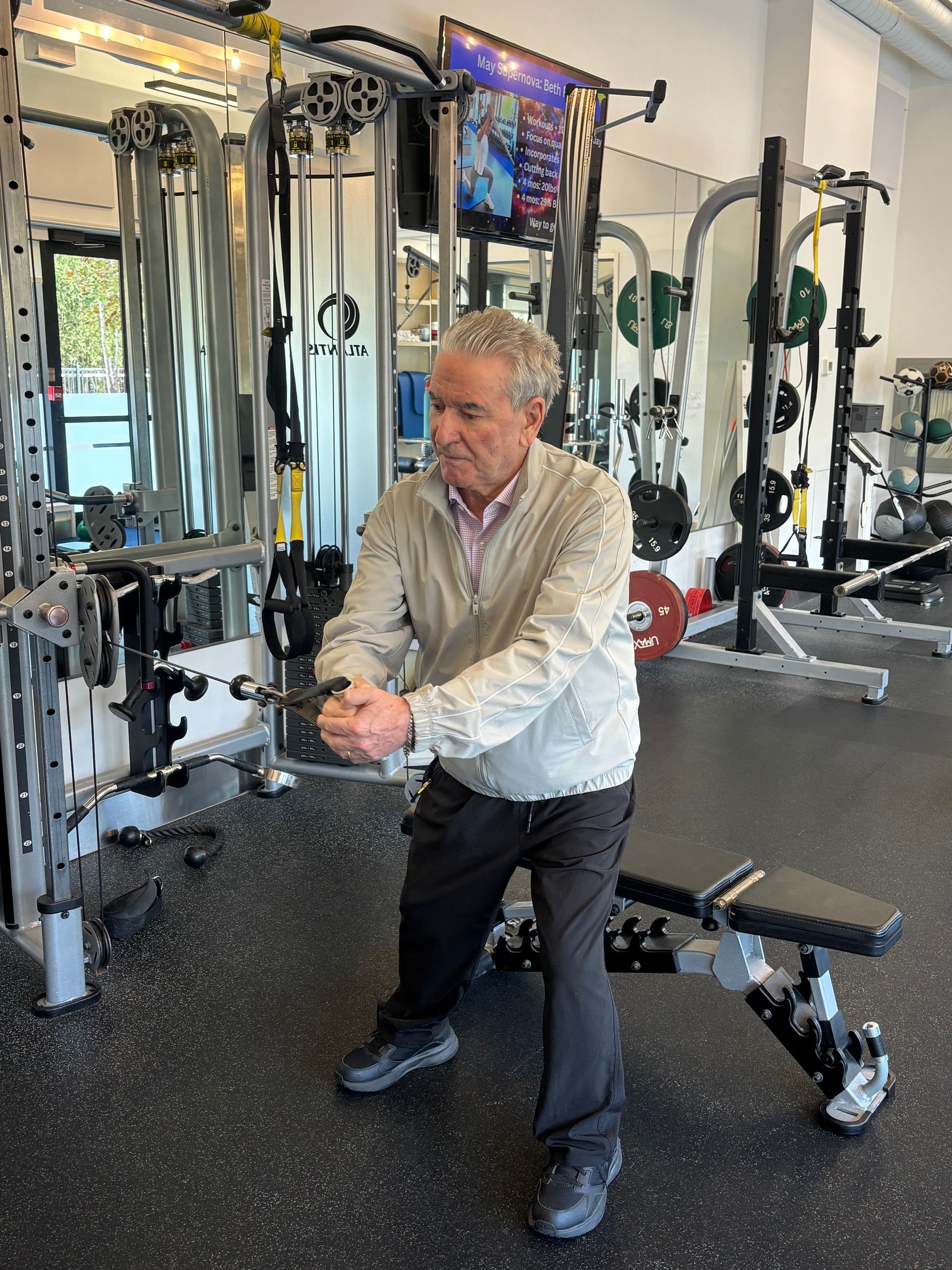
Over the past year Dino has trained consistently, built mobility and strength across every major lift, and hit daily activity goals like 7-8k steps - even while navigating the difficult loss of his wife this past year.