
Should You Workout When You Are Injured?
Injured? Here's Why You Should Keep Training
Injuries happen to all of us at some point. Maybe it happens during a workout. Maybe it's moving a heavy piece of furniture at home. Maybe it's just waking up one morning and something doesn't feel right.
Whatever the cause, the moment something hurts most people do the same thing - they stop. Rest. Recover. Wait until they feel better. I understand why it feels like the safe and logical thing to do. But after 25 years of coaching I can tell you that stopping completely is almost never the right answer.
The Doctor's Advice - And Why It's Incomplete
When something hurts, most doctors will tell you to rest and stop working out. I get why they say it - they don't want you making things worse and they are being cautious. But here is what most doctors don't factor in: there is a difference between resting an injured area and stopping all movement entirely.
Your doctor is not trained in how to work around injuries during exercise. That is a completely different skill set - one that coaches who have studied kinesiology, anatomy and biomechanics spend years developing. Knowing how the body responds to training under stress or injury is exactly what we do. And the answer is almost never to stop moving completely.
The Choice Most People Don't Realize They're Making
When you get injured you actually have two options. Most people only see one. Option A is to protect the injured area and keep the rest of your body strong. Option B is to protect the injured area and let the rest of your body get weaker at the same time. When you look at it that way the answer is obvious. And yet most people still choose Option B without even realizing it.
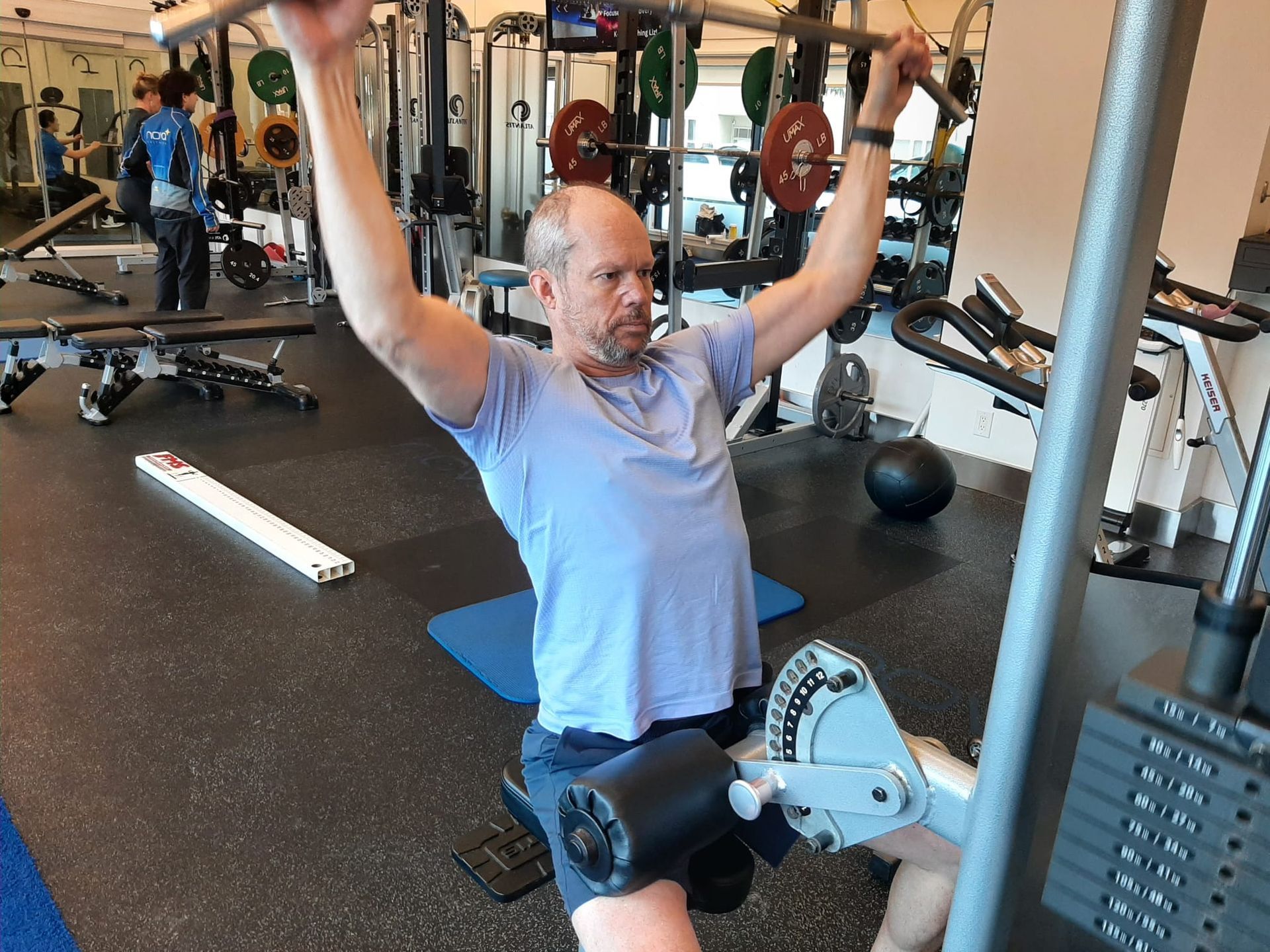
I learned this firsthand years ago when I dislocated my shoulder. For about six months I couldn't do any serious upper body training at all. So I kept showing up with the exact same consistency and focused entirely on legs. My legs became super strong during that period. Meanwhile someone who stops going completely doesn't just lose upper body strength - they lose strength everywhere. The injury heals either way. But only one person comes back stronger.
Be Solution Oriented - Not Problem Oriented
Two people with the exact same injury can have two completely different outcomes based on mindset alone. The solution oriented person works around the injury and keeps moving in a modified way. The person with a limiting mindset stops everything, fixates on the problem and waits. The only bad workout is the one that didn't happen. That is not just a motivational line - it is the difference between people who get results and people who don't.
Think Like an Athlete
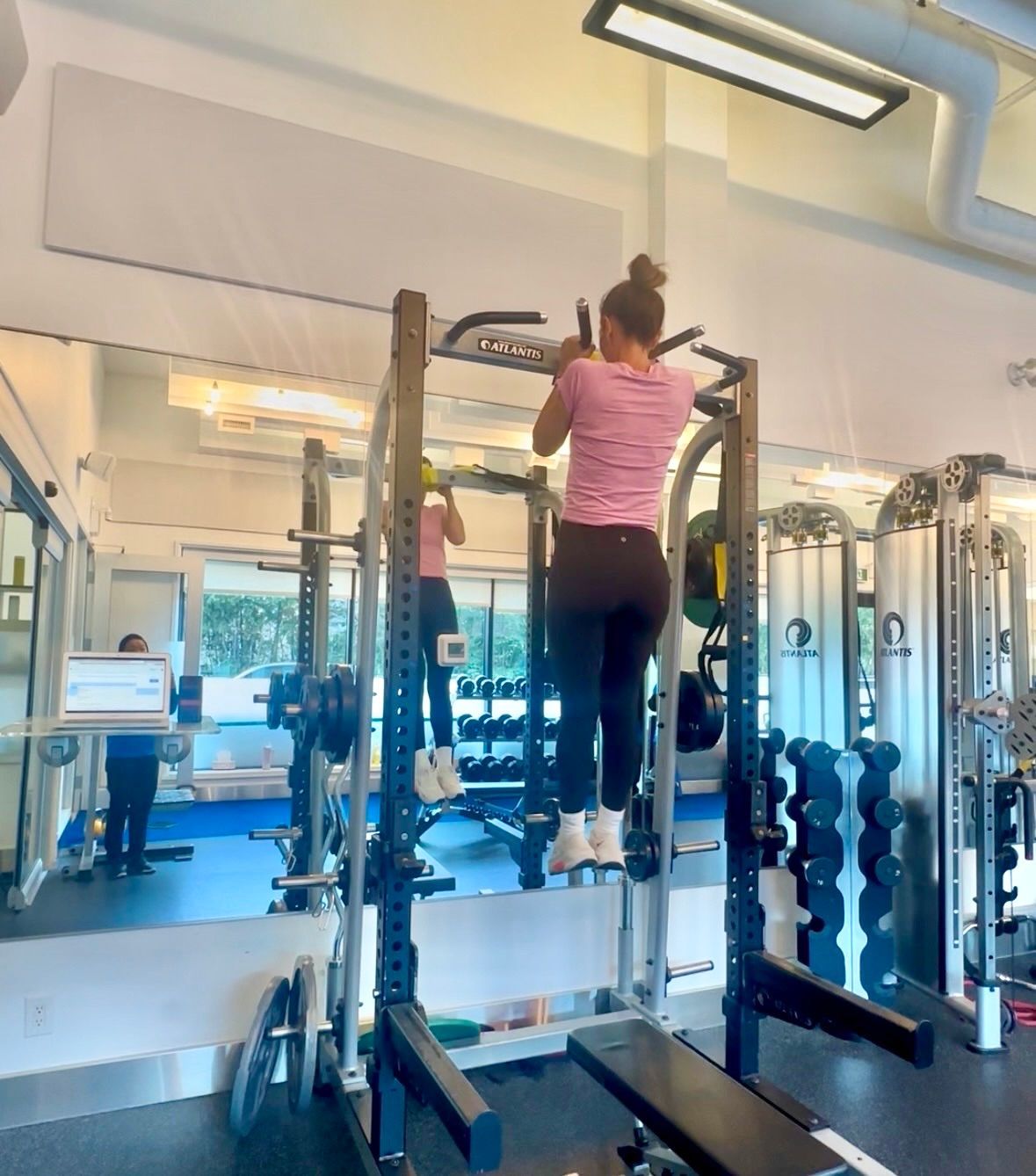
Have you ever heard of a professional athlete cancelling all of their training because of an injury? Never. When a professional athlete gets injured their training becomes modified - not cancelled. They focus on three things: rest, rehabilitation and maintenance. By continuing to train the right way they recover faster and come back stronger. You don't have to be a professional athlete to think this way. This is just how the body works - for everyone.
3 Parts to Fixing Injuries
1) Rest
Strategic rest - not complete rest. Avoid the activities that aggravate the injury but keep everything else moving. If you tore a hamstring from sprinting, stop sprinting - but don't stop training entirely.
2) Rehabilitation
Specific exercises that promote blood flow and healing to the injured area. A torn hamstring still needs gentle activation to heal faster - not complete shutdown. This is where having a qualified coach makes all the difference.
3) Maintenance
While the injured area is healing, the rest of your body still needs attention. There is no reason to lose the strength and fitness you have worked hard to build just because one area is compromised.
Common Injuries and What You Can Still Do
- Shoulder or arm injury?
Focus on legs, core and rehabilitation work for the injured area.
- Back injury?
Deep core work, supported upper body exercises and mobility - there is more available than most people think.
- Knee or leg injury?
Upper body work, hip hinging movements and rehabilitation exercises that don't load the joint directly.
- Twisted ankle?
Upper body, core and stretching. More options than you'd expect.
The only time to completely stop training is if you are fully incapacitated. For almost every other injury there is a path forward.
You Don't Have to Figure This Out Alone
Knowing how to modify training around an injury takes experience and knowledge. If you are injured right now and not sure what you can or can't do - that is exactly the kind of problem we solve every day. You don't have to wait until you feel 100% to reach out. In fact the sooner you do the better your outcome will be.